
Series: Top Food Trends That Influenced The Past Decade – Beverages
September 26, 2023
In the first blog of this series, Top Food Trends That Influenced The Past Decade, we learned that analyzing and understanding past product successes and failures from a historical trend perspective can help food and beverage manufacturers guide product ideation for the future. While some trends reached their peak in popularity before slowly fading away over time, others adapted to consumers’ changing tastes, maintaining their relevance in the food industry still today.
This next blog in our series is focused upon key beverage trends from the past decade — namely, those that are expected to have staying power as well as potential opportunities for both manufacturers and operators to keep the momentum of these trends going into the future through innovation and differentiation.
Cold Brew Coffee:
Source: Getty Images
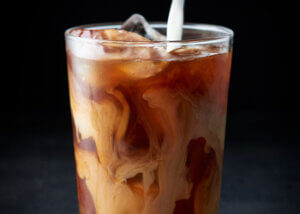
Between 2015 and 2017, cold brew coffee sales jumped 370% from $8.1 million to $38.1 million1 and are expected to reach $4.2 billion by 20282. While Starbucks may have inspired this trend to reach legendary status, other retailers and beverage brands were fast to follow suit catapulting cold brew’s popularity to what it is today. Since cold brew is made by steeping ground coffee with cold water for hours, this process creates a coffee concentrate that characteristically has more caffeine than most drip coffee, an added benefit for caffeine lovers looking for an additional boost of energy. Over the years, ready-to-drink versions were introduced and are now commonplace on retail and convenience store shelves, creating a new audience of coffee drinkers who are opposed to its hot coffee cousin.
Moving Forward: Brands and retailers who experiment with innovative flavors and leverage seasonal and regional ingredients in their cold brew offerings will continue to refresh the category and their profits indefinitely.

Source: Getty Images
Kombucha:
Kombucha is made by fermenting sweetened black tea, a process that can also include the addition of other flavors such as juices, fruits, and herbs. While kombucha has been around for decades due to its potentially effective medicinal properties, its awareness was low with the general public and has gradually increased in popularity over the past 10 years. In recent years, the drink has evolved into a mainstream must-have. In fact, between 2013 and 2018, [kombucha] fermented beverage introductions have seen a global rise of 122%3, and the kombucha market is anticipated to grow from an estimated U.S. $3.4 billion to a U.S. $17.1 billion market.4 Like cold brew coffee, RTD kombucha varieties have propelled both awareness and sales. Consumers are also turning to kombucha as a healthier alternative to sugary drinks.
Moving Forward: If you’re a beverage brand or a tea manufacturer looking to ignite new sales or introduce a new category to your lineup, RTD kombucha with inventive flavor offerings might be the profitable solution you’re seeking.
Macha:
Source: Getty Images
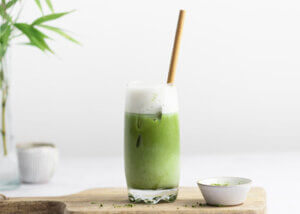
Another tea that began making headlines in the food and beverage industry less than a decade ago is Macha – an antioxidant-filled tea that has been a Japanese staple since the 12th century. Macha is known for its health benefits and vivid green color and is a food fad that started taking over menus and Instagram feeds around 2016.5 Today Macha can be found in everything from lattes and smoothies to doughnuts, pies, and other baked goods. This insurgence in popularity led to numerous popup Macha bars from celebrities such as music artist Drake, and successful bottled beverage brands like Yum Macha, Matcha Love, and Taika Matcha Latte to name a few. According to Future Market Insights, the Macha market is expected to hold a share of U.S. $2.7 billion in 2023 while it is anticipated to cross a value of U.S. $7.1 billion by 2033.6
Moving Forward: The category has no sign of slowing down. As consumers gravitate toward products that support overall health and wellness, promoting Macha’s health benefits and clean product labels, especially on social media, can expand your business potential and enlist a new audience of believers.
Alcohol, Low and Nonalcoholic Beverages:
The global alcoholic beverages market size is projected to reach $2,036.6 billion by 2031, growing at a CAGR of 2.2% from 2022 to 2031.7 The category continues to reinvent itself with new formats, flavors, and varieties. On the other hand, in 2022, sales of no- and low-alcohol beverages grew by more than 7% in volume across 10 key global markets, surpassing $11 billion in market value, according to IWSR Drinks Market Analysis. Millennials and Generation Z are more informed and cautious about the harmful effects of alcoholic beverages than previous generations and these two generations lead NA category growth. In addition, mocktail bars have opened all over the country, catering to the growing demographic of Americans limiting or eliminating alcohol consumption altogether.
-
Flavored Vodka:
Source: Getty Images
Prior to 2013, dessert-inspired flavors such as whipped cream, cake, and cookie hit the shelves, but “flavor fatigue eventually set in and consumers’ preferences shifted,” says Brandy Rand, COO of the Americas at IWSR Drinks Market Analysis.8 However, in 2018, the Vodka category saw a resurgence as consumers began searching for vodkas that offered natural flavors, herbs, and fruity profiles. In 2020, the flavored vodka segment grew six percent by volume, according to IWSR, and accounted for around 15 percent share of the total vodka category.8 NA varieties and better-for-you drink trends – think organic and natural ingredients – are also gaining ground in this segment.
Moving Forward: Competition in the alcohol and NA-flavored vodka segment along with competition from other spirits is fierce. Manufacturers will need to remain nimble and stay on top of both flavor trends and consumers’ evolving taste preferences to stay in the game.
-
Hard Seltzer:
The summer of 2019 was the summer of hard seltzer. The boozy beverage was so beloved that there was even a national shortage of White Claw, the most popular brand of hard seltzer.9 After that, the global hard seltzer market size was estimated at U.S. $13.48 billion in 2022 and is expected to grow at a compound annual growth rate (CAGR) of 19.8% from 2023 to 2030.10 Similar to flavored vodka, the hard seltzer market has been flooded with new brands and flavors bringing competition among players at an all-time high and consumers feeling overwhelmed by the number choices.
Moving forward: Brands will need to continue innovating with flavor and pushing any better-for-you benefits like natural ingredients and low-calorie, carb, and alcohol volume to keep and entice current and new customers approaching the legal drinking age.
-
Craft Beer:
Source: Getty Images
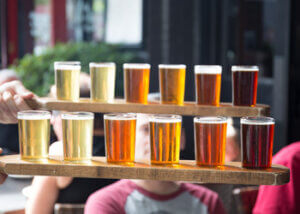
According to trend forecasts from Brew&Hub, the craft [beer] segment is strong, robust, resilient, and, above all, determined to move forward. The publication cites a few key trends expected to emerge in 2023 and beyond. Craft beer for everyone and premiumization is a reality. Specialty beers can now be found at any bar, supermarket or C-Store shelf. With inflation showing no clear sign of improving, consumers look for ways to get more for their money. Buying bulk packages and craft beers with a higher alcohol content are two of the most popular options today.11 Experts also suggest that 2023 is the year of non-alcoholic craft beer as it opens up a large number of possibilities for increasing and encouraging the production of higher quality non-alcoholic beer.12
Moving forward: This segment is set up for continued growth. Specialty beers with added CBD will become an important factor in category growth. Similar to the rise in popularity of Rosé wine, Rosé beer – a synergy of beer and wine – is expected to take top trend status moving forward.
In summary, many beverage trends from the past decade remain today but have either evolved over time or have the potential to expand a brand’s target demographic by innovating with new formats, flavors, and better-for-you ingredients. Keeping ahead of flavor trends and consumer consumption preferences will help guide this innovation. Connect with us today to discover how we align trends and forecasts with your brand and marketing strategies and deliver proven, purpose-driven practices that help grow your business.
Be sure to stop back every Friday to read our Weekly Roundup blog and watch for the next blog in this series, Top Food Trends That Influenced The Past Decade – Equipment & Technology, coming next month.
Related Blogs: Crafting Content Strategies That Build Business
Sources:
-
1, 3 Top 20 Food Trends Of The Past Decade, Symrise
-
2 Cold Brew Coffee Market: Global Industry Trends, Share, Size, Growth, Opportunity and Forecast 2023-2028
-
4 Kombucha Market is Anticipated to Grow from an Estimated US$ 3.4 Billion in 2023 to US$ 17.1 Billion by 2033 | Future Market Insights, Inc.
-
5 The 30 biggest food trends of the last decade, Insider, 12/9/2019
-
6 Match Market Report – Forecast 2023 to 2033, Future Market Insights
-
7 Alcoholic Beverage Market Research, 2031, Allied Market Research, February 2023.
-
8 Category on the Rise: Flavored Vodka, BeveAlcI Insights by Dizly
-
9 Keep or Toss? The 25 Food Trends That Defined the Past 25 Years, All Recipes, 2022
-
10 Hard Seltzer Market Size, Share And Trends Report, 2030, Grand View Research
-
11, 12 2023 Trends in the Craft Beer Industry, Brew&Hub, 1/2/2023