

Series: Top Food Trends That Influenced The Past Decade – Equipment & Technology
October 24, 2023
In the world of food, the past decade has been nothing short of transformative. From the rise in popularity of spicy chicken, avocado toast, and CBD-infused products to cold brew, matcha, and craft beers, the culinary landscape and influence of evolving consumer preferences and expectations have significantly shaped the food industry.
In our previous two blogs focusing on top food and beverage trends that influenced the past decade, we uncovered trends that inspired new product development for CPG companies or motivated foodservice operators to make strategic shifts to their menus. We also learned how easily trends can fade and why a few of them lost their luster after a short period of success. So, why should food manufacturers and foodservice operators pay close attention to trends of the past? The answer is simple: because they hold the key to shaping the future of the food industry.
In this third installment of our ‘Trends of the Past Decade’ series, we’ll dive into the roles equipment and technology have played in both foodservice and consumer lifestyles and what the future holds in these categories as demand for better performance and improved efficiency drive innovation.

Source: Getty Images
Food Trucks:
America is home to 4000+ food trucks and this trend has grown steadily over the past decade.¹ The rise of these portable kitchens is due to many factors including flexibility, culinary experimentation, and lower overhead costs. They offer a platform for chefs to test unique and creative dishes that might not be feasible in a traditional restaurant setting. This has led to the popularization of fusion cuisine and gourmet street food. Consumers gravitate toward food trucks for their accessibility, convenience, and affordable prices for meals on demand and on the go. With less equipment and fewer staffing needs, food trucks also have lower operational costs compared to conventional restaurants.
Looking Ahead: Food trucks will continue to influence and encourage traditional restaurants and chains to adapt to changing consumer preferences, adopt technology, and explore novel culinary trends. Food and equipment manufacturers can leverage ongoing growth by offering products that save labor, speed prep, and bring added efficiency into this mainstream food scene.
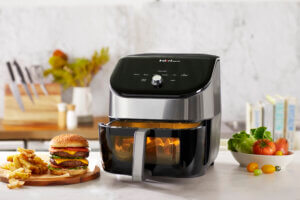
Instant Vortex Air Fryer. Source: @home
Air Fryers:
Possibly one of the most profound appliances in home cooking equipment since the invention of the microwave is the air fryer. Gaining popularity in the 2010s and growing in purchases still today, this multifunctional device literally changed how families prepared dinner. Its ability to replicate the frying process, resulting in crispy and flavorful dishes using less oil, gives consumers a healthier alternative to deep frying while reducing the aroma of fried food filling the air. As popularity increased over the years, recipe bloggers started adding air fryer directions to their recipes and manufacturers recognized this growing trend and incorporated air fryer instructions onto their packaging.
Looking Ahead: Circana market research indicates that “nearly two-thirds of American households now own air fryers”.² Furthermore, health and wellness remain an important aspect of consumer lifestyles and air fryers allow for adaptability to a wide range of foods and varying dietary preferences – vegetarian, vegan, gluten-free, paleo, and keto to name a few. Food manufacturers who innovate with plant-based foods, specialty coatings, and unique ingredients can spark new interest in air fryer meal preparation.
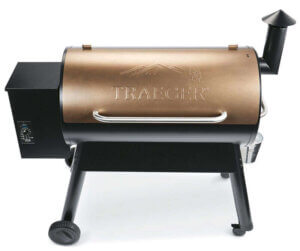
Traeger Pro Series. Source: acehardware.com
Smokers:
In the era of convenience foods and fast-paced lifestyles, the juxtaposition of slow-smoked foods seems counterintuitive with today’s trends. Yet, in a culinary era where bold, authentic flavors reign supreme, smoked foods have found a secure place in the food space. Smoking adds depth, complexity, and that sought-after smoky quality to everything from briskets to vegetables. Smoking is an art that has driven both at-home enthusiasts and professional chefs to embrace and sharpen their smoking techniques. Smokers offer a versatile platform for experimentation. Beyond the classic ribs and briskets, smoking can augment flavor in a wide array of ingredients including cheeses, fruits, and even cocktails. The appeal of smoked meats has led to an insurgence in openings of new BBQ joints across the country as consumers’ quest for robust flavors remains high.
Looking Ahead: As we continue to see the smoked meat phenomenon thrive, it’s clear that smokers and smoked foods are here to stay. The future promises even more innovation, creativity, and exploration in the realm of smoked cuisine. Plus, seasoning and spice brands have endless opportunities to experiment with flavor and craft signature dry rubs or wet rub recipes to entice even the most seasoned pitmaster or the savviest at-home smoker – with the goal of forging unforgettable dining experiences at home and away.
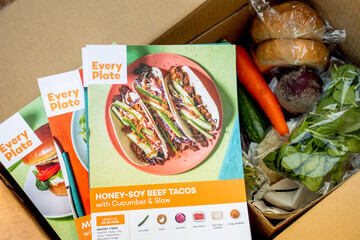
Home Meal Kits – HelloFresh. Credit: Daria Nipot. Source: stock.adobe.com
Whole Meals/Meal Kit Technology:
There is no denying that 2020 was a year of unprecedented uncertainty and fear across most industries and households. The food industry was especially hit hard with widespread closures and layoffs, and in many ways is still recovering today. While the pandemic did not introduce meal kit technology, it certainly accelerated its acceptance and created an increased necessity. Companies like Blue Apron and HelloFresh were already established in the meal kit space using the technology for online ordering platforms, logistics, and delivery systems. As e-commerce and online shopping increased, so did meal subscriptions. Soon after, many fast-casual, quick-service, and bar and grill establishments were quick to follow, creating a new revenue stream of their own to replace lost onsite traffic. Leveraging their apps and own online ordering services, restaurants capitalized on whole meals and meal kits using delivery or onsite parking lot pickups to fulfill consumers’ orders.
Looking Ahead: According to Statista data, the [meal kit] industry was estimated at 6.9 billion U.S. dollars in 2021, and by 2024, the segment could generate sales of over ten billion dollars.³ Foodservice operators will need to continue competing with meal kit subscription services. As operators take a more omnichannel approach in their business practices and pursue effective ways to utilize their apps and online technologies, meal kits and whole meals could maintain their place as an additional revenue generator. Adding variety in cuisine and recipes, using LTOs, and incorporating versatile products and ingredients that save prep time can help operators stand out from their peers and subscription competitors.

Source: Getty Images
Artificial Intelligence:
Over the past few years, AI technology has transformed the food service and retailer landscape, proving itself to be a must-have business solution for restaurants, retailers, and food manufacturers. Early adopters of AI technology have experienced significant benefits including cost and labor savings, employee productivity, improved food quality, heightened consumer experiences, and reduced waste. Advancements in robotics technology allow for the removal of repetitive, menial tasks away from staff to drive back-of-house efficiencies. As consumers demand better quality, faster service, and personalized experiences, AI fulfills this demand by improving speed, accuracy, and customization without human interaction. Inventory and data management and demand forecasting have also helped streamline operations.
Looking Ahead: Automation and AI will continue to revolutionize the food industry, becoming increasingly important for business growth and success. Investments and advancements in automated cooking, speech recognition, vehicle detection in drive-thru lines, and robotics will be invaluable moving forward. Companies that adopt and integrate AI technologies will have an advantage and stay relevant in this progressively competitive market.
In closing, the dynamic nature of the food industry necessitates that we remain agile and responsive to the ever-evolving tastes and preferences of consumers and progressing advancements in technology. By reflecting on past and current equipment and technology trends, we can better anticipate and adapt to the future. Connect with us to learn more insights and strategies for utilizing and incorporating trends into business and marketing plans and practices.
If you missed the first two blogs in this series, you can find them here:
Top Food Trends That Influenced The Past Decade – Beverages
Top Food Trends That Influenced The Past Decade