
Weekly Roundup – Week of 8.17.26
August 21, 2026
Restaurant sales rose for a fourth straight month in July. This week’s top foodservice stories show an industry recalculating what everything costs: new overtime reporting rules, a CEO exit ahead of a private equity close, a brand-new catering channel, robots on the sidewalk, and a loyalty program rebuilt from scratch, all curated by our team of strategists and food enthusiasts:
The IRS Just Made Overtime Your Paperwork Problem
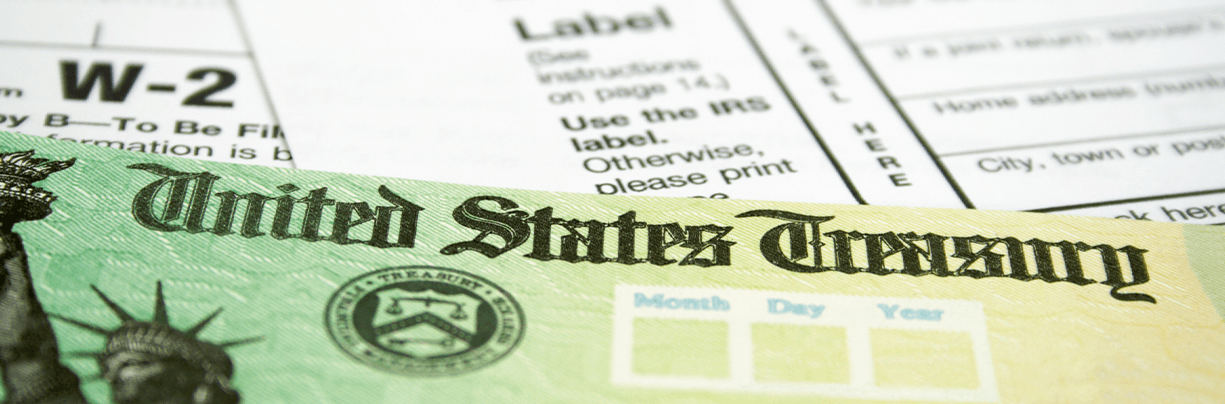
The IRS closed the grace period on qualified overtime reporting. The burden now sits squarely with employers. Under the One Big Beautiful Bill Act, hourly workers can deduct up to $12,500 in qualified overtime, or $25,000 for married couples. Only the premium half of time-and-a-half counts. Employers used to have choices here: W-2s, online portals, or separate statements. That flexibility is gone. Every employer must now track and report each worker’s eligible overtime separately on the W-2. Penalties for missing it run $60 to $660 per form, depending on timing and company size. Restaurants carry more overtime-eligible hourly staff than almost any other industry. Payroll systems built before 2025 will not sort this automatically, so operators should audit them in September rather than January.
Pizza Hut’s Global CEO Walks Before the New Owners Walk In
Aaron Powell posted on LinkedIn that he will step down as Pizza Hut’s global CEO once the sale to LongRange Capital closes. He has run the brand since 2021 and picked up the U.S. leadership role in 2024. LongRange offered him a job in the new structure. He turned it down. The deal values Pizza Hut’s non-China business at $1.5 billion, with Yum China paying $1.2 billion for the China operations. Together that is the $2.7 billion split Yum Brands announced in June, after a strategic review opened last November on the back of falling same-store sales. Ownership changes create decision vacuums, and franchisees feel them first. Suppliers and operators tied to Pizza Hut should plan for a slow quarter before the new owner sets direction.
Denny’s Found Its Next Growth Channel in the Conference Room
Denny’s launched its first national catering program on Tuesday, running on ezCater’s ordering platform. More than 400 restaurants are live now. The chain expects 1,000 by the end of September. The menu was built for groups: Grand Slam Buffet Bundles, Grand Slamwiches, build-your-own burger bars, chicken wings, and individually packaged boxes in temperature-controlled packaging. Catering is the first initiative to go live under Project Grand Slam, the growth roadmap CEO Chris Bode introduced after taking the job this spring. The logic here is about the clock, not the menu. Weekday daytime is the softest stretch of a diner’s week, and workplace catering fills it with large, scheduled, repeatable orders. Any operator sitting on idle midday capacity should be pricing that same trade.
Grubhub Orders Are Now Arriving on Six Wheels
Wonder and Serve Robotics brought autonomous sidewalk delivery to Grubhub on Monday. The rollout covers Chicago, Los Angeles, and Alexandria, Virginia, including Wonder’s Potomac Yard location, its first site in Virginia. More than 100 Chicago merchants and nearly 200 in Los Angeles are participating at launch. Customers order through the existing Grubhub app and get matched to a robot based on their location. Serve now runs on three major delivery platforms. “Every new partner puts more robots to work and every delivery makes the whole fleet smarter,” CEO Ali Kashani said. Grubhub also introduced Chomp, a hamburger-costumed robot built to work as a social mascot. Last-mile cost is where delivery margin lives, and platform-level automation is arriving faster than most operators have modeled.
Panera Told 70 Million Members Exactly What a Visit Is Worth
Panera replaced MyPanera’s visit-based surprise-and-delight model with a points system on Wednesday. Members earn 10 points per dollar spent. A bagel or mini bakery item costs 250 points. A whole entrée costs 2,000. Three tiers sit on top: a free base level, MyPanera+ at $300 in annual spend, and MyPanera+ Sip Club, which folds in the beverage subscription. All 70 million existing members moved over automatically, and Keke Palmer fronts the “Refreshingly Loyal” campaign. Chief digital officer Joshua Fine said guests asked for transparency, value, and flexibility. The tradeoff is real. Points programs carry a heavier redemption liability than mystery rewards, but they produce far cleaner data on what each guest values. Operators weighing the same switch should price the liability before they price the perks.
Find more of this week’s top foodservice stories every Friday on the Omnivore blog.
Frequently Asked Questions
What are this week’s top foodservice stories?
This week’s top foodservice stories include new IRS overtime reporting rules for employers, Pizza Hut global CEO Aaron Powell’s exit ahead of the $1.5 billion LongRange Capital sale, Denny’s first national catering program with ezCater, autonomous Grubhub delivery from Wonder and Serve Robotics, and Panera’s points-based MyPanera relaunch across 70 million members.
What do the new IRS overtime rules mean for restaurants?
Employers must now track and separately report each worker’s qualified overtime on the W-2. Penalties run $60 to $660 per form. Only the premium half of time-and-a-half counts, and the deduction caps at $12,500 for single filers or $25,000 for married couples.
Why are restaurant chains adding catering programs?
Catering fills weekday daytime hours, the softest stretch of most operators’ week, with large, scheduled, repeatable orders. Denny’s launched national catering at more than 400 restaurants on August 18 and expects 1,000 by the end of September.


