
FOOD PHOTOGRAPHY: CAPTURING CULINARY CREATIVITY THROUGH THE LENS
May 28, 2024
As a full-scale brand and digital strategy agency, we’re exclusive to the food, beverage and food equipment industry and deliver an extensive range of services to meet your evolving food and beverage marketing needs. One of our standout offerings is culinary photography, a service our team is passionate about and creatively excels in. This unique expertise sets us apart from most agencies today. With two seasoned in-house photographers at the helm – Gary Hurst and Jon Haven – who bring forth a blend of innovation and talent, they are armed with a keen eye for detail and a mastery of elements like settings, lighting, and composition.
In this blog, we’ll explore practical tips and techniques employed by our photographers as they share valuable insights to ensure a successful photoshoot. Plus, we’ll learn about their motivations behind crafting images that are true representations of your food brand, your vision, and your marketing needs.
ESSENTIAL PHOTOGRAPHY ELEMENTS
Many variables need to be considered prior to getting behind the lens. Pre-planning beyond simply creating a photo list is essential and could include any of the following: creating style boards, recipe development, food styling needs, prop shopping, backgrounds and setting selections. Plus, product, packaging and/or food equipment must arrive at the studio a few days prior to the scheduled shoot to ensure all elements are in-house and any thawing or pre-preparation is handled.
In advance of the shoot, Jon recommends identifying objectives and product specificities, and discussing any potential problems that could arise while onset. “Once the shoot is in progress,” he says, “we make sure to always measure any shots against the shoot’s purpose and goals, and we keep the product or the recipe as the focus and hero of the image.”
Composition is key in food photography. Gary emphasizes, “It’s about creating a visually compelling image that draws the viewer’s eye to the subject while conveying the essence of the dish and setting/theme.” Color and contrast are also important. “Rich, vibrant colors and well-balanced contrast can make the food pop off the screen or page. Sometimes a soft desaturated palette allows focus on the colorful food,” he shares.
Perfect focus on the food hero and control of depth of field ensures that the main
subject is sharp while creating a sense of depth and dimensionality in the image.
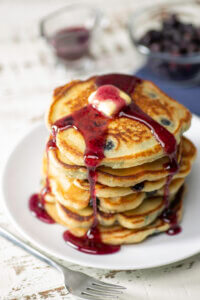
 Finally, texture is what makes food visually interesting. Capturing the intricate details of the dish enhances its appeal and makes the viewer taste it with their eyes. Gary stresses that capturing elements like glistening juices and crispy, crunchy textures are important.
ROLE OF LIGHTING IN FOOD PHOTOGRAPHY
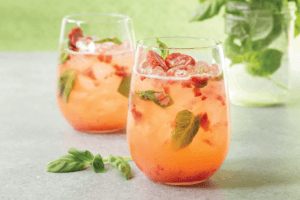
Lighting and shadowing are the most critical aspects of food photography, setting the mood and focus of the shot. Lighting creates dimension, highlights texture, and brings food to life.
Whether using natural light, artificial light, or a combination of both, the goal is
to create a flattering light that enhances the food without overpowering it.
 Gary explains how “techniques such as diffusing, reflecting, and controlling the direction of light are essential for achieving the desired effect.” Furthermore, Jon adds that, “strength, position, and type of light can be adjusted to control the overall mood and feel of the shot” and to keep in mind that “some shots require longer exposure times when natural light is preferred.” Due to our location in the heart of the Third Ward section of downtown Milwaukee our studio is located on a corner of a high-rise building with the benefit of large windows and an abundance of natural light streaming through.
 COMMON CHALLENGES OF FOOD PHOTOGRAPHY
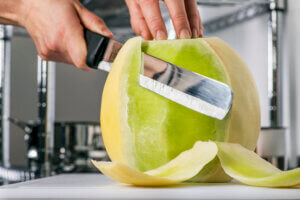
Food photography presents several recurring challenges that require careful planning and creative solutions. One of the most common issues is keeping food looking fresh throughout the shoot. Starting with the freshest ingredients is crucial, but maintaining their appearance involves additional techniques. Misting food with water or enhancing it with oil can help preserve its fresh look. Tools like heat guns are invaluable for concentrating heat on specific areas, such as achieving the perfect cheese melt, which allows the food to stay on set longer and provides more opportunities to capture the ideal shot for your products.
Shooting food equipment, especially items with reflective surfaces like stainless steel and glass, can be particularly challenging. Making sure the equipment is impeccably clean is the first step. Managing reflections and controlling lighting are essential in creating clean gradients on these surfaces while emphasizing their dimensional forms. Often, photographers will take multiple shots and combine the best elements in post-production. This technique ensures optimal lighting on different parts of the equipment, resulting in a cohesive and polished final image.
 Lastly, having decision-makers on set or readily available remotely is vital for efficient workflow. Immediate feedback and instructions from stakeholders allow photographers to make real-time adjustments without the need to replace hero shots.
We have efficient communication channels in place, such as live links
to every photo, which helps us expedite the review and approval process, so the
shoot progresses smoothly and meets everyone’s expectations.
MUST-HAVE PHOTOGRAPHY EQUIPMENT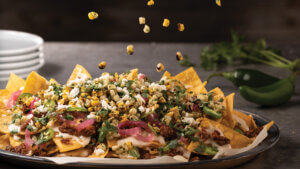
High-Quality Cameras:
While phone cameras have significantly improved, investing in a traditional camera with interchangeable lenses still provides superior final image quality. A high-quality DSLR or mirrorless camera offers excellent low-light performance and the capability to shoot in RAW format, which ensures maximum flexibility in post-processing. Having a selection of prime and zoom lenses, including a macro lens for close-up shots, is essential for capturing a wide range of perspectives and intricate details. Note: Phone cameras excel at capturing natural, candid food shots and moments, making them perfect for social media images and reels.
Professional-Grade Lighting:
Achieving the desired lighting effects is crucial, and professional-grade equipment such as strobes, softboxes, and light modifiers are indispensable tools. While a well-lit window and bounce cards can suffice, they often come with disadvantages such as increased noise or the need for longer exposure. Professional lighting equipment delivers consistent and controllable results, enhancing the overall aesthetics of your photographs.
Editing Software:
Post-processing is a critical step in photography, and industry-standard software like Adobe Lightroom and Photoshop allows for precise adjustments to color, exposure, and composition. These powerful tools enable our team to refine their images based on your objectives and project needs.
SUMMARY
In the dynamic world of food and beverage marketing, exceptional culinary photography is a vital asset. From the importance of pre-planning and understanding composition to mastering lighting and overcoming common challenges, our team is dedicated to crafting images that truly represent your food brand and vision. We understand that every photoshoot is unique, requiring careful preparation and creative problem-solving. Our efficient communication channels and on-set decision-making processes enable us to deliver outstanding results that meet and exceed your expectations.
Ultimately, our goal is to create images that not only showcase your food in the best possible light but also resonate with your target audience, enhancing your brand’s presence and impact in the market. We look forward to helping you capture your culinary creativity through the lens. Find more inspiration, here.
GETTING TO KNOW OUR PHOTOGRAPHERS
Gary Hurst
One of my most memorable experiences in food photography was when I had to shoot a massive Dagwood sandwich that stood over 14 inches tall. It was a real challenge to keep all the layers in place without the whole thing toppling over! To solve this, we built a custom support system for each layer of the sandwich. This experience taught me the importance of teamwork and creativity in overcoming challenges, and it was so rewarding to see the final result.
Another exciting moment was in creating stopped action shots of food being tossed in a pan with strobe lights. It’s always fun to take a series of photos and then see how the food was captured in motion.
Food photography allows me the opportunity to combine my passion for
photography and creating art that stimulates the senses – with my love of food,
I love to craft images that not only look beautiful but also evoke emotions
and cravings while telling a story.
Jon Haven
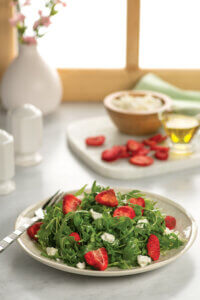
Some of my most challenging photoshoots involve shooting delicate foods such as fresh salads, dishes featuring hot, melted cheese, or capturing motion. Salads, mixed greens, and garnishes wilt quickly under the lights, while hot sandwiches like paninis and pizza require constant attention to maintain the perfect cheese melt for the camera. Despite these challenges, every shoot ultimately comes together, and we always get the ideal shots we need.
My favorite part of food photography is experimenting. If time is available,
it’s fun to take a few minutes to try some really quick lighting changes and
capture alternate angles and crops of the same set – just to see what happens.
For me, that can be where some of the most dynamic shots are created.