

Food Technology: The Future Of Food Is Here
October 29, 2024
In today’s rapidly evolving food industry, innovation is more crucial than ever. As consumers seek healthier, more sustainable, and exciting food options, companies are racing to develop new products and processes that not only meet these demands but also improve safety, quality, and accessibility. Food technology is at the heart of this transformation. From AI-powered personalized nutrition to cutting-edge advancements like 3D printing and cultivated meat, food tech has revolutionized what we eat and how it’s produced. This blog will explore three key areas shaping the future and how they’re driving the next wave of food innovation.
1. Artificial Intelligence in Food Tech

Source: Getty Images
Consumers prioritize the quality and safety of food products, leading to heightened food production and safety concerns. AI is improving both through predictive analytics for contamination detection and advancements in real-time food monitoring via Internet of Things (IoT) devices, allowing food and equipment brands to offer comprehensive end-to-end traceability. Here are additional ways AI food tech is being optimized:
- Improved Food Safety: Thanks to smart sensors, food production has become more straightforward. These sensors provide valuable insights to production managers, helping them count inventory, examine ingredients, maintain temperatures, and streamline the overall experience.
- Optimizing Supply Chains: AI-driven algorithms enhance food distribution by predicting demand, reducing waste, and improving logistics for food manufacturers and retailers. AI-powered solutions also help restaurants to create forecasts. To keep a well-stocked kitchen, restaurants must track demand and order supplies accordingly. AI allows operators to gauge sales so they can order the exact amount of products they need, saving money and time.
- Personalized Nutrition: Through AI, consumers can now access personalized meal recommendations that align with their specific nutritional needs, whether enhancing athletic performance, managing chronic health conditions, or optimizing general wellness. AI tools can predict how certain foods will interact with an individual’s body, offering a more precise and holistic approach to health through food. This transforms the one-size-fits-all approach to food into a unique dietary experience for everyone.
- Enhanced Sustainability: Innovations in predictive analytics, advanced packaging, and logistics optimization are enabling food companies to tackle one of the industry’s biggest issues: waste. By predicting consumer demand and optimizing storage conditions, companies can dramatically reduce overproduction and food spoilage. Innovations in packaging materials and designs aim to preserve food longer and diminish environmental impact, moving towards circular, zero-waste models.
2. 3D Printing in Food Production
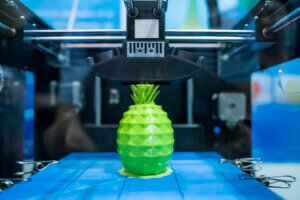
3D food printers open up possibilities for personalized diets, the creation of alternative protein-based meals, and consistent quality in large-scale food production. While material extrusion remains the most widely used method in food printing, startups are exploring innovative approaches such as laser and inkjet food printing and bioprinting.
Source: Getty Trump
- Creating Customizable Food: 3D food printers allow unparalleled personalization by designing food products tailored to individual nutritional needs and aesthetic preferences. Printing food layer by layer allows specific ingredients to be adjusted in real-time to meet dietary restrictions, health goals, or flavor preferences. Whether it’s enhancing the protein content for an athlete, reducing sugar for diabetics, or simply crafting intricate designs for fine dining, 3D printing allows complete customization.
- Sustainable Food Solutions: One of the greatest advantages of 3D food printing is its ability to incorporate sustainable ingredients, decreasing the reliance on traditional meat production or conventional farming methods. 3D food printing helps cut greenhouse gas emissions, soil degradation, and deforestation, contributing to a more sustainable food ecosystem and helps cut food waste, as only the exact amount of ingredients required for each meal is used.
- Future of On-Demand Food: 3D food printing offers a solution to food scarcity and meal preparation inefficiencies, especially in environments with limited resources. The ability to print food on demand, whether in restaurants, hospitals, or remote locations like space stations, could drastically change how we think about food availability. Mass production of customized food could ease food scarcity by producing nutritious, easily accessible meals with minimal waste.
3. Cultured Meat In Protein Production
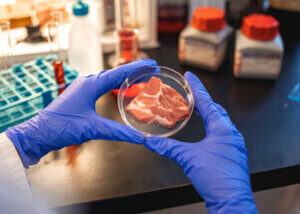
Cultured meat is emerging as a revolutionary solution in food production and food technology, with significant benefits for the environment, ethics, and global food security. It is also poised to address the growing concerns over animal welfare, aligning with the values of ethically minded consumers who seek cruelty-free food options.
Source: Getty Images
- Environmental Impact: Cultured meat requires far fewer natural resources. Since it is grown directly from animal cells in controlled environments, it drastically reduces the need for large tracts of land and vast amounts of water. Furthermore, the process cuts methane emissions—one of the most harmful gases emitted by livestock farming
- Ethical Considerations: With growing demand for ethically sourced products, cultured meat eliminates the need to harm animals—offering a guilt-free option for consumers who want to enjoy meat without contributing to animal suffering.
- Increased accessibility: By providing a scalable solution for producing meat, cultured meat technology can help feed growing populations, particularly in areas where traditional farming is inefficient or unsustainable. By tailoring the nutritional content, cultured meat can address malnutrition by producing meats rich in specific vitamins, minerals, or proteins for vulnerable populations.
The innovations in food technology are driving a profound transformation in how we produce, consume, and think about food. As artificial intelligence enhances safety, optimizes supply chains, and personalizes nutrition, it empowers consumers and food producers alike to make smarter, more efficient decisions. 3D printing is unlocking unprecedented levels of customization and sustainability, offering solutions to both individual dietary needs and the global challenge of food scarcity. Meanwhile, cultured meat is reimagining protein production, providing a more ethical, sustainable, and accessible way to meet the growing demand for food in a world with limited resources.
These advancements aren’t just trends—they are pivotal shifts setting the foundation for the future of food. As companies, consumers, and policymakers embrace these technologies, the food industry is moving toward a future where meals are healthier, more personalized, and produced with greater respect for the environment and ethical considerations. This intersection of technology and food holds the key to solving some of our most pressing challenges—creating a food system that is sustainable, inclusive, and adaptable to the needs of an ever-changing world.
Ready to launch your startup into the market or refresh your brand to meet sales goals? Whether you’re just starting or looking for a strategic boost, we’re here to help elevate your company and brand to new heights. Let’s connect and discuss how we can help you succeed!