
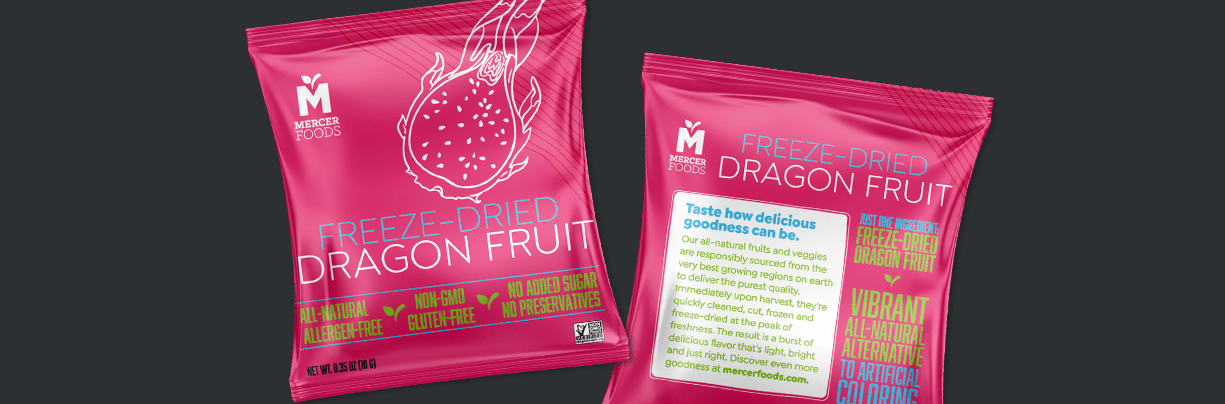
Packaging Matters: Leveraging Design & Messaging to Win Shelf Wars
December 18, 2024
Ever wonder why certain products practically leap off the shelves while others fade into the background? It’s not just luck—it’s packaging design. Subtle psychological cues embedded in design elements like color, typography, and texture influence consumer behavior. In addition, more progressive design aesthetics such as interactive components differentiate a brand from the competition, impacting purchasing decisions in mere seconds.
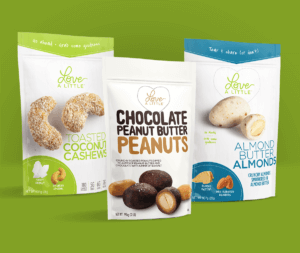
Love A Little snack pouches designed by Omnivore.
Packaging is more than just a container; it’s a brand’s ambassador, conveying its personality, values, and promise. From colors that spark emotion to fonts that cast a story, every detail is a chance to encourage consumers to take the final step in purchasing.
For food and beverage brands, the stakes are high. Packaging not only protects the product but also builds trust, fosters transparency, and reinforces brand identity. In an era where consumer expectations are higher than ever, designing packaging that stands out while staying true to your brand is no longer optional—it’s essential. Let’s explore how strategic packaging design influences buying decisions and even elevates your brand into a league of its own.
Maintaining a Consistent Brand Identity Through Packaging Design
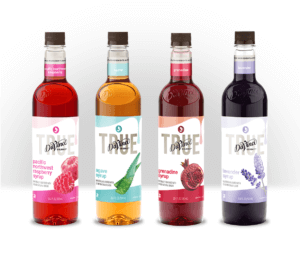
Omnivore designed DaVinci Gourmet natural products bottle packaging.
Consistency is the cornerstone of a memorable brand. Packaging that reflects a cohesive design— featuring distinctive colors, fonts, and imagery—strengthens brand recognition and increases trust with existing customers and potential brand loyalists. When packaging aligns with brand guidelines, it becomes a visual shorthand connecting a brand’s identity, mission, and values.
Maintaining brand identity isn’t just about uniformity. It includes envisioning and developing packaging that resonates with specific consumer preferences while staying true to the core brand message. A unified design communicates trustworthiness and professionalism, giving your brand a competitive edge.
Key Takeaways:
- Packaging designs should align with your brand standards to ensure consistency in message and a cohesive brand appearance.
- Blending brand aesthetics with signature design elements helps your packages stand out on shelves.
- During the conception phase, consider various components of packaging design from fonts to distinctive textures.
Consumer Psychology: How Design Elements Influence Purchasing Decisions
Packaging isn’t just what your product comes in—it’s how it communicates. Packaging design plays into our psychology and emotions, creating a sense of excitement and pleasure that makes us feel good about the purchase. Design elements like typography, imagery, and material play a critical role in shaping consumer perceptions and generating emotional connections to your brand.
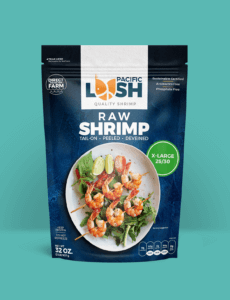
Pacific Lush Raw Shrimp resealable packaging, designed by Omnivore.
Some key design elements to consider for effective packaging include:
- Typography: Fonts may project sophistication, playfulness, or trust. The wrong choice might alienate your audience, while the right one could reinforce your brand personality.
- Color Scheme: Colors evoke emotions and form instant associations. For instance, white evokes a clean, pure tone while red conveys energy and excitement.
- Imagery and Graphics: High-quality visuals deliver a sense of value and authenticity, telling a story that resonates with the target audience.
- Material and Shape: Texture and form add a tactile dimension, influencing how consumers perceive the product’s quality.
Key Takeaways:
- Packaging design often evokes an emotional connection with potential buyers who share the same values and help influence impulsive buying decisions.
- Each design element contributes to establishing a lasting impression and aids in facilitating brand recognition and trust among your consumer set.
Interactive Packaging: Connecting Consumers with Your Brand Story
Interactive packaging elevates the customer experience by bridging the gap between the physical and digital worlds. Features like QR codes and augmented reality (AR) transform packaging into a storytelling platform, offering added value that enhances loyalty and engagement.
- QR Codes: Provide quick access to exclusive content like recipes, behind-the-scenes videos, or loyalty programs.
- AR Experiences: Gamified interactions, virtual tutorials, or immersive brand storytelling create memorable moments that deepen consumer connections.
Beyond engagement, interactive packaging can be an effective tool with these measurable benefits:
- Enhanced Trust: Transparency about sourcing and sustainability boosts credibility.
- Social Media Reach: Shareable AR features encourage user-generated content, increasing visibility.
- Data Collection: Tracking interactions provides insights into customer preferences and behaviors.
Key Takeaways:
- Interactive packaging boosts trust, increases loyalty, and promotes social engagement.
- QR codes and AR transform your design into an immersive brand experience.
- Leveraging interactivity allows brands to stand out and gather actionable consumer insights.
Conclusion: Packaging That Delivers More Than a Product
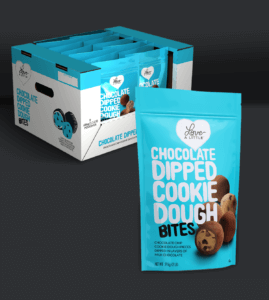
Love A Little Chocolate Dipped Cookie Dough Bites product packaging and display boxes, designed by Omnivore.
In the crowded food and beverage market, packaging is more than a functional necessity—it’s a strategic tool for capturing attention, communicating your brand’s story, and building lasting relationships with consumers. From engaging with consumers on an emotional level and consistency in design to leveraging the latest interactive technologies, packaging can be the key to breaking through the noise and winning shelf wars.
Your Strategic Partner
Our expertise lies in helping food and beverage brands carve out a distinct identity that sets them apart in a competitive marketplace. From crafting impactful brand identity strategies to executing designs that truly resonate with today’s discerning consumers, we bring decades of proven experience and innovation to the table.
Whether you’re looking to refresh your existing packaging to align with evolving trends or develop an entirely new design that captures your brand’s essence, we’re here to make your brand stand out, maintain consistency, and forge meaningful connections with consumers. Let’s collaborate to transform your packaging into a powerful tool that not only turns heads on the shelf but also builds lasting loyalty. Contact us today to get started.