

5 Social Media Trends
January 28, 2025
Shaping the Future For Food Brands In 2025
2025 promises to be a transformative year for brands across all industries, including food and beverage. As we navigate this new era, insights from Hootsuite’s 2025 Social Media Trends report and HubSpot’s 2025 State of Marketing report highlight key shifts for success, offering emerging trends in social media, data-driven strategies, AI-powered content, and the undeniable power of authenticity. For B2C and B2B food brands, these changes present both challenges and opportunities to connect with audiences in fresh, meaningful ways. In this blog, we’ll explore these trends and unpack how they can inspire innovation and growth in the food industry.
Trend 1: Experimenting with Content

Source: Getty Images
Traditional boundaries in content creation will continue to blur as brands embrace creative experimentation to engage new audiences. For food brands, this means stepping beyond the tried-and-true playbook and exploring bold, daring ideas that resonate with the culture of each social platform. While food brands have often been cautious with their messaging, this year will challenge them to test new tones, experiment with unconventional personas, and create content that stands out in crowded feeds. Social media is no longer just a tool for visibility—it’s a playground for creative innovation and platform-specific storytelling.
Key Opportunity: Food brands can experiment with:
- Playful Reels: Showcasing behind-the-scenes processes or recipe hacks.
- New Personas: Introducing fictional characters or alternate brand voices to engage niche audiences.
- Localized Content: Creating region-specific campaigns that “blend in” with local trends and cultures.
- Push Entertainment: Creative risk-taking brands post 81% to 100% of entertainment-driven content.
By daring to be different, food brands can push boundaries effectively,
delight existing customers and entice new ones—all while staying
authentic to their core values.
Trend 2: Social Listening – Turning Insights into Impact

Source: Getty Images
Social listening has evolved from a “nice-to-have” to an essential strategy for brands that want to remain competitive. For food brands, tapping into real-time audience insights provides a clear understanding of consumer preferences, shifting trends, and even product gaps. Beyond likes and comments, social listening offers the ability to anticipate needs, address concerns before they escalate, and refine marketing strategies with precision. The ability to link these insights to ROI will elevate the value of social listening for food brands, helping them make data-driven decisions that create real business impact.
How Food Brands Can Leverage Social Listening:
- Spot Trends Early: Identify rising consumer preferences, like plant-based or functional foods, before competitors.
- Personalized Campaigns: Use insights to tailor content for specific demographics, such as Gen Z’s interest in ethical sourcing.
- Proactive Crisis Management: Address potential issues, like recalls or ingredient concerns, before they escalate.
Brands that integrate social listening into their broader strategy will have the
ability to adapt, innovate, and connect with consumers on a deeper level.
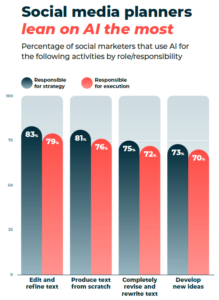
Source: Social Media and AI Source Hootsuite Social Media Trends 2025 Survey
Trend 3: Empower Strategies with AI-Powered Content
Leveraging AI-powered tools will be crucial in 2025. From creating personalized content at scale to analyzing massive datasets for actionable insights, AI will become a staple for efficiency and creativity. Food brands that use AI strategically will not only streamline their operations but also unlock new opportunities for storytelling and customer engagement. However, the key to success will be finding the right balance between AI’s capabilities and the human touch, ensuring that content remains authentic and relatable.
Food brands can use AI to:
- Streamline Recipe Content Creation: Generate recipes, visuals, and social copy tailored to specific audiences.
- Predict Consumer Behavior: Analyze purchasing data to anticipate demand for seasonal products.
- Enhance Visual Content: Create realistic, mouthwatering images of dishes or beverages.
In 2025, balancing human creativity with AI efficiency will set innovative
food brands apart. AI tools can handle repetitive tasks while marketers
focus on crafting authentic narratives that resonate.
Trend 4: Authenticity Leads the Way
Today’s consumers, particularly Millennials and Gen Z, are drawn to brands that are authentic and aligned with their values. For food brands, this means going beyond product promotion and sharing stories that reflect sustainability, transparency, and social responsibility. In 2025, authenticity won’t just resonate; it will be a requirement. By prioritizing brand-led campaigns that emphasize real connections, food brands can establish trust, foster loyalty, and stand out in a saturated market. This shift represents a powerful opportunity to strengthen relationships with an increasingly values-driven audience.
Practical Steps for Food Brands:
- Showcase Brand Values: Share stories about ethical sourcing, environmental sustainability, or community impact.
- Highlight Real People: Feature chefs, farmers, or team members to humanize the brand.
- Engage with Social Responsibility: Address issues like food waste or accessibility in campaigns.
Authenticity builds trust and loyalty, turning casual customers
into passionate advocates.
Trend 5: Data-Driven, Content-Rich Visuals

Visuals must be guided by data to ensure they resonate with the right audience set. Source: Getty Images
In an age where attention is fleeting, visual storytelling will remain at the forefront of marketing strategies in 2025. For food brands, this trend offers a golden opportunity to shine. Whether it’s through mouthwatering short-form videos, behind-the-scenes live streams, or stunning imagery of their products, food brands can captivate their audience while driving results. Nevertheless, the reliance on visuals must also be guided by data, in that each piece of content resonates with the right audience at the right time. Food brands can craft visual experiences that leave a lasting impression by combining creativity with analytics.
Content Strategies for Food Brands:
- Leverage Short-Form Video: Create quick cooking tutorials or product spotlights.
- Invest in Live Streaming: Host live tastings, Q&A sessions, or factory tours.
- Optimize for Emerging Platforms: Explore Reddit, Discord, and Threads to reach niche foodie communities.
Visual content’s ability to grab attention and drive engagement is unparalleled,
especially when backed by data-driven insights that inform creative choices.
Looking Ahead
Food brands have a unique opportunity to welcome experimentation, increase authenticity, and integrate data-driven, visual storytelling strategies to stand out in an increasingly competitive marketplace. Brands that create engaging content, harness the power of social listening, and leverage AI tools, will build trust with customers and consumers in ways that drive both connection and conversion. The key to success will be staying adaptable, creative, and true to your brand’s values. Those who embrace the trends while staying grounded in what makes their brand unique will have the best chance of thriving.
How can Omnivore help? From content and social strategies to social listening and engaging storytelling, we bring more to the table with a suite of services.
Sources: 2025 Social Media Trends Report, Hootsuite and 2025 State of Marketing Report, HubSpot